
Kpop In Space:
Hello, Married To The Music readers! If you’re a longtime viewer, you’ll know that I’m not the foremost authority on science and math, but I am in fact a college student who had to take astronomy to fulfill her gen. ed requirement. So I figured that there’s probably someone else out there who isn’t the greatest at STEM subjects and could use some extra information. And if it’s conveyed through kpop, well, all the better. Enjoy!
Part III: Space & Us
“Dear Sputnik” by TXT
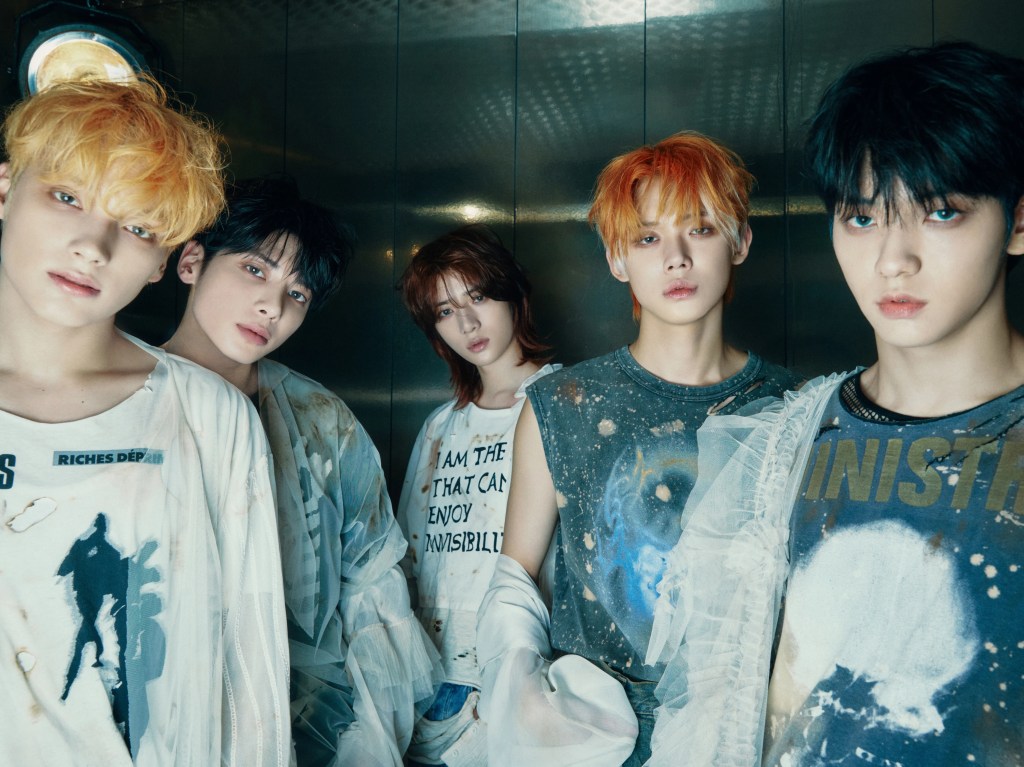
- Earth’s first artificial satellite
- Marked the start of the Space Race
- Sputnik #1 launched in 1957 by the Soviet Union
- Sputnik #2 held Laika
- Sputnik #3 held instruments to bring back Space Data, but they failed
“Hitchhiker’s Guide To The Galaxy” by ARTMS
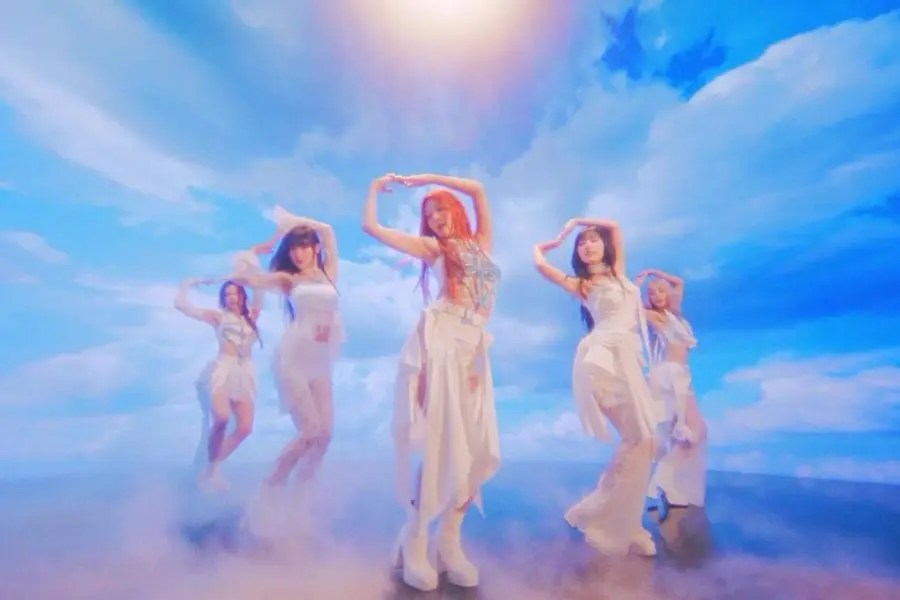
- First a radio broadcast on BBC in the 1970s, later books comics, shows, movies, etc
- Created by Douglas Adams, who was not actually a scientist
- Exposed an entire generation of kids to space, around the same time as Carl Sagan
“Voyager” by Purple Kiss

- The Voyager Mission has two spacecraft, both launched in 1977
- Each contain a copy of the “Golden Record”, a literal record that can be placed on a record player, including music, culture, etc, for intelligent life to see what Earth was like
- They are now 15 billion miles away from Earth (160 times as far as the sun)
Part IV: Other
“Meteor Shower” by ONEWE
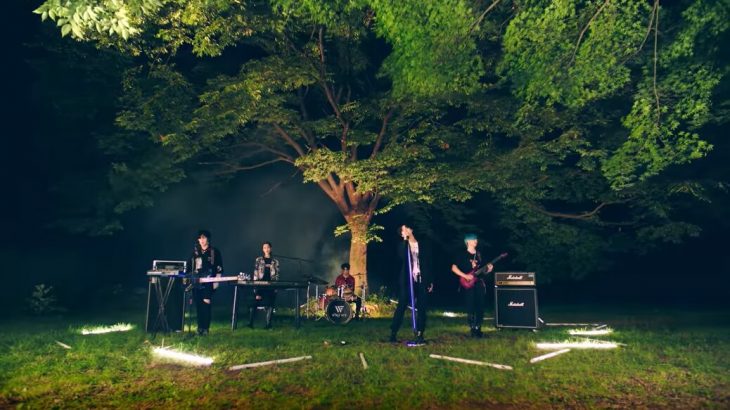
- Debris left by comets and asteroids
- Created by friction between meteors and air particles and the subsequent vapor
- Some reoccur, like the Perseids Shower in August
- Usually named after stars or constellations
“Retrogression Of Time” by Billlie

Note: this is also cheating, I’m explaining Time Retrograde not exactly retrogression, but bear with me.
- “Retrograde” is when a planet seems to move backward, retracing its orbit
- No bodies in our solar system actually change direction; retrograde is only our perception of a planet’s movement from earth due to our differing speeds of orbit
- The planets that do this most often are Mercury (which will be entering retrograde in July of 2025) and Venus
“End Theory” by Younha

- Shows the phases of a relationship: Collision, Growth, End
- Collison Theory = only some collisions result in reaction
- Growth Theory = the universe is constantly expanding and growing
- End Theory = how will the universe end? Heat death, reversal to a singularity, or being torn apart?
“Horizon” by CRAVITY

- In everyday terms, a horizon is the boundary where the Earth meets the sky; it appears different depending on where you are on Earth (elevation, hemisphere, etc)
- In astronomical terms, a horizon—or event horizon—is also a boundary, usually at the edge of a black hole, past which nothing can go without being broken into pieces
“Gravity” by DAY6

- A three part series about mental health, contrasted with high-minded scientific concepts
- Gravity = universal force of attraction acting between all bodies of mater
- Entropy = disorder or lack of predictability in a “system”
- Negentropy = the reverse of entropy
“Supernova” by aespa

- The explosive death of an enormous star, so enormous and colorful it can be seen millions of light years away with the naked eye
- Can form a black hole when the star is 25 X as large as our Sun
- Betelgeuse, a red supergiant in our solar system, is expected to “go supernova” sometime in the next few hundred years, though it’s unlikely to happen in our lifetimes
“Aliens” by CHUU
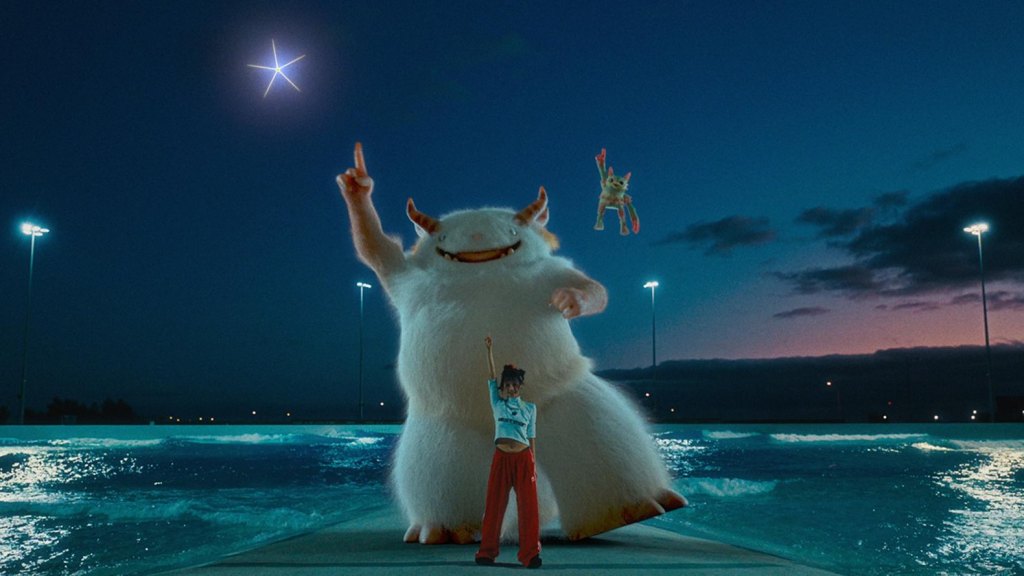
- Is there or is there not intelligent life out there?
- Scientists are divided, both over if intelligent life exists and what counts as intelligent life: does it have to be humanoid or just have a brain, does it have to breathe air, etc.
- Fermi’s Paradox: “if the universe is so big, there must be something out there, but if they are, why haven’t they found us?”

Let me know your thoughts!