
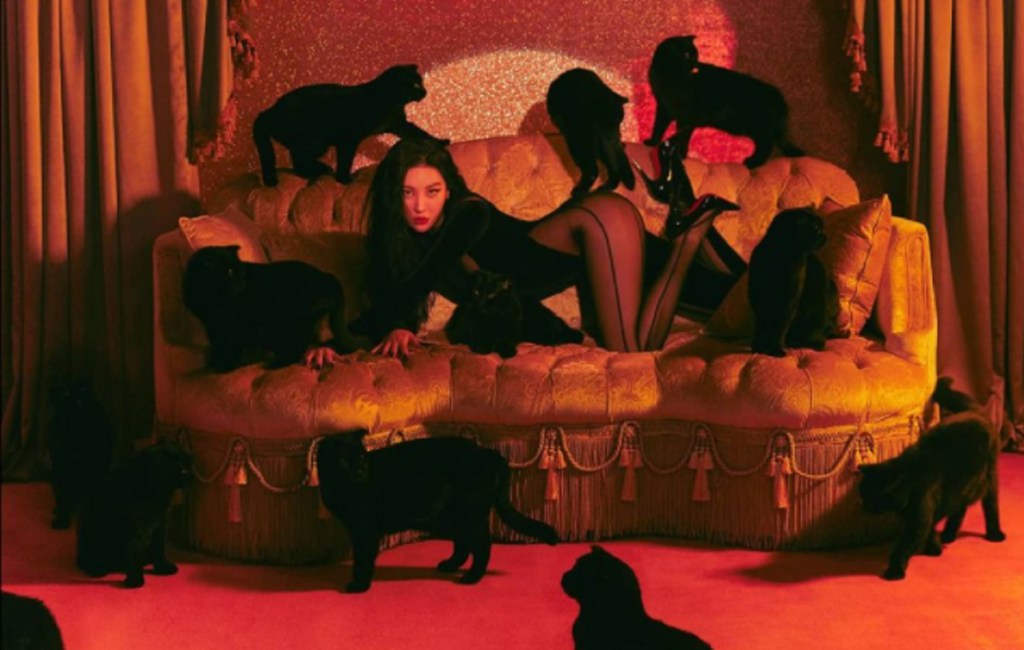
Sunmi first came onto the kpop scene at age 15 with JYP’s Wonder Girls, before leaving the group in 2010 to focus on her studies. She debuted as a soloist in 2013, and left JYP in 2017.
Here are my credentials: I would consider Sunmi my favorite kpop soloist, which is tough competition in a landscape that also includes Taeyeon, IU, and Wendy, all of whom I love. I first did this review in 2023, when I’d just started the blog, and now that Sunmi’s back, I thought this would be a good time to dive back into her discography. So let’s get into it!
Single #1: 24 Hours

If you’re thinking to yourself, “I’ve never heard 24 Hours”, trust me, you have. Its hook of “이십사시간이 모자라” (I-ship-sa-sigan mojala) is so well known that you’ll reflexively start humming along when it begins. And speaking of beginnings, 24 Hours really doesn’t sound like one in the way that I’m used to from a solo artist’s debut. The confidence that permeates the whole thing and especially the ease with which Sunmi sings in her unique breathy tone isn’t something achieved overnight.
It feels very 2nd gen, with the beat, styling, choreo, and breathlessness of the vocals, which makes sense as she’d just come off the heels of Wonder Girls’ biggest hits. It’s got the start of the unique sound she’s known for now (often called “Sunmi Pop”), but its edges aren’t quite smoothed the right way. Even though it’s not a favorite of mine, it’s grown on me since my first review, especially the tango-inspired slowdown in the bridge and the black and red color scheme of the music video.
EP #1: Full Moon
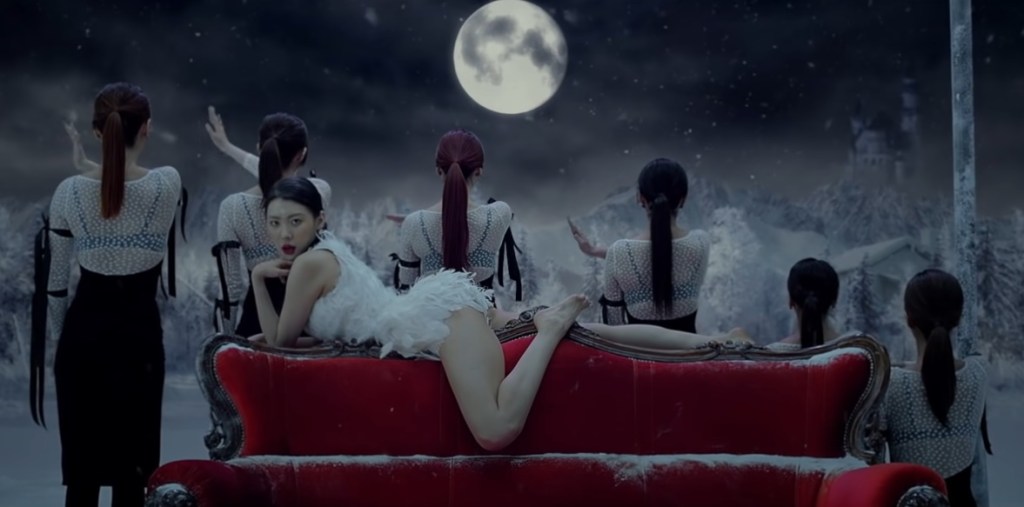
Full Moon is not at all the kind of thing you’d expect after 24 Hours or really any Sunmi song. Coming right out of the gate with a bluesy guitar and a slower tempo tailor-made for a Halloween waltz. Its hazy, dreamy sound works well (besides the moments when it interrupts its own atmosphere for some far-too-strong rap verses), but Sunmi’s voice is really what makes the song something special. I still have mixed feelings on this one, like last time; I think I like it better in theory than in practice, but I’m not mad at it.
From the EP, while I enjoyed the excellent build-up of Burn and the gentle vocals of If That Was You, my hidden gem is definitely Who Am I?. From the first beat, it slinks along with a tense, almost minimalistic drum & bass before letting Sunmi’s voice snap back like a rubber band in the choruses, sounding different from nearly every other song of its era.
Single #2: Gashina

If you were a kpop fan in 2017, I probably don’t need to tell you about the impact of Gashina. It’s up there on several Top 10 lists, it was nominated for a bunch of awards, and, unsurprisingly, is the song that catapulted Sunmi to success. To be honest with you, its intense popularity means that no matter if it was the best song I’d ever heard, I would have been slightly disappointed on first listen. But the more time passes, the more Gashina’s grown on me. Not only does its strange choreography and Sunmi’s complete lack of expression stand out in an industry that so often refuses to intentionally poke fun at itself, but it’s the rare breakup song that doesn’t end with sobbing in the rain. Instead, its electro base and distinctive vocals, all-over-the-place tempo, and bizarre sense of humor are bound to make you laugh. It’s so Sunmi, in a way that 24 Hours and Full Moon aren’t, that I can’t imagine anyone else doing it and pulling it off this well.
Single #3: Heroine
[Trigger warning: eating disorders]
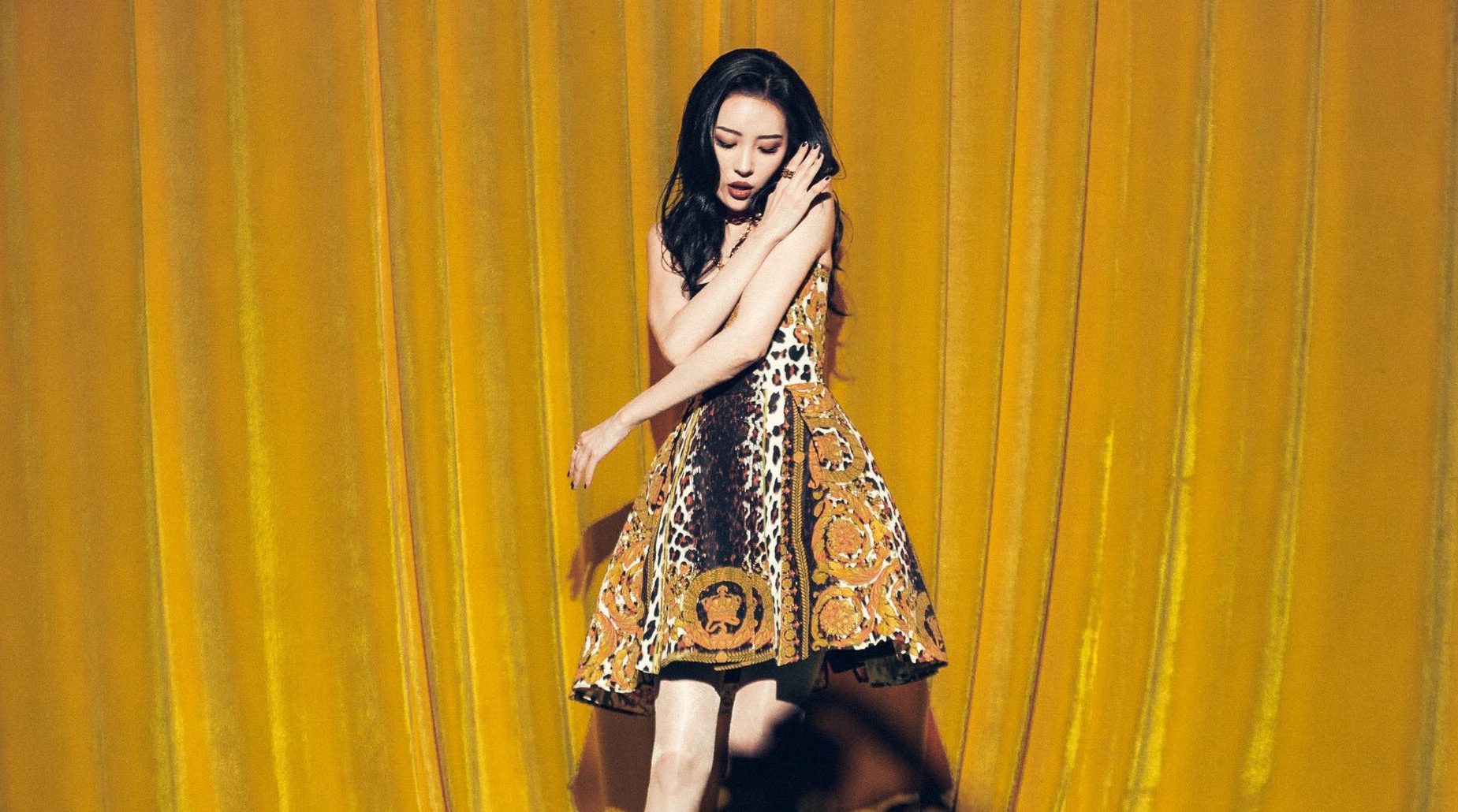
How to describe how much I love the song Heroine? Perhaps the best way is to acknowledge that there are some times when the right song comes into your life at the right moment, and changes you for good. Heroine is that song for me. Recorded when Sunmi was suffering from the worst of her eating disorder, it was originally written to be about a toxic relationship that’s slowly killing its singer, made all the more poignant when the video begins and you see that her arms are skin and bone. As it keeps going, and you watch Sunmi move around the set with a sense of pure desperation, the lines between her and her heartbroken character blur. Towards the end, she falls hard on the concrete floor—a real fall that she requested kept in the music vide—and picks herself back up. Reading up on it later, I found that she was so ill that she barely managed to stand. But she did anyway.
The whole song reeks of exhaustion, the kind that has you on your knees and must be pushed through to survive, and just when you think it’s going to pull back, it surges forward with such a raw, almost desperate energy, and consistently makes you feel breathless with its sharp near-anguish. In the hands of a lesser performer, it could easily become one dimensional, but in Sunmi’s, it becomes a testament to strength and recovery. But the part that makes it so great isn’t any of its many loud moments. Instead, it’s the last few seconds: a deep sigh, and the quiet, simple, “The show must go on. You must go on.”
EP #2: WARNING

Siren is a song that thrives in double meanings and dark undertones. While Sunmi is acting as a mythological siren (and even crawls out of a bathtub dripping wet), there’s the sound of an actual blaring siren throughout as she warns the audience not to be too attracted to her, to someone unknown. Its deceptively softer opening is immediately at odds with the warning in the lyrics, and when the two finally clash together in the chorus, with flashes of red and blue, the payoff feels earned. The song is like a Siren itself: entrancing, bizarre, unique, and overall dangerous to stand too close to, otherworldly compared to the almost overwhelming humanity of Heroine. I confess I often overlook this song, especially on the heels of Gashing and Heroine, but it’s really good, and definitely deserves its place among her best.
It’s so difficult to pick a hidden gem from this EP, honestly; for only five songs, it manages to feel like a full exploration of her themes. I enjoyed the choppiness (and the intensely queer lyrics) of Curve, the address of fame in Addict, and the sweet lyrics and mellow sound of Secret Tape, which is about her friendship with Red Velvet’s Seulgi. My hidden gem, though, is definitely Black Pearl, with its sleek citypop sound and lyrics about opening yourself up to love even in your darkest moments.
Single #4: Noir
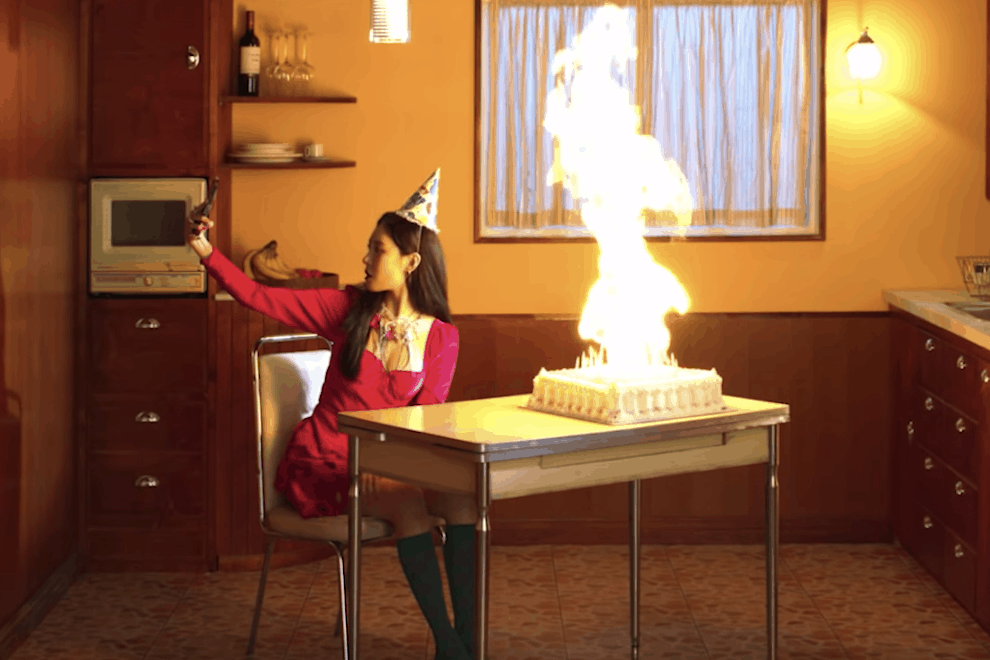
While her last three songs have somewhat operated within the realms of kpop tradition, Noir throws convention to the wind. Both a biting critique of the fakeness of social media and an expression of Sunmi’s own mental health issues written following her Borderline Personality Disorder diagnosis, it’s perhaps unlike any other kpop song. Embracing a minimalist beat in its verses and a slight hook in its choruses, Noir’s main point of attraction is its music video, which slowly devolves from what seems to be the normal life of an idol to a horror film. Married with Sunmi’s intentionally blasé delivery and complete lack of facial expressions (except when making Instagram posts), it’s so utterly strange that it’s impossible to look away. You may not like it on first listen but something about it will stick with you for a while after, and you’ll find yourself coming back.
Single #5: LALALAY

LALALAY takes a slight departure from Sunmi’s usual sound, marrying a Latin Pop beat with a taepyeongso, a traditional Korean horn instrument that provides the song its distinctive brassy sound. Its title is another play on words, specifically “Nalari”, a Korean term meaning people who try to act cool by partying, drinking, smoking, etc. I confess I enjoy her synth pop songs more than this one, but LALALAY’s sharp lyrics about where Sunmi the person ends and her performer persona begins are some of her best. I appreciate this song more than like it, but there’s no denying that it’s refreshingly unique.
Single #6: Pporappippam

The first time I listened to Pporappippam (보라빛 밤, Korean for “Purple-toned Night”), on a friend’s recommendation, I was actually a little disappointed. Once again, this is the problem when someone makes something out to be the greatest thing since sliced bread and you just don’t see it. *Glances back at the paragraphs about Heroine* Right.
But returning to it now, my opinion’s softened a bit. It’s a pretty straightforward love song, which is unusual for Sunmi, but she still makes it work. Combining a slightly flute and gentle violins with an 80s beat straight out of a Michael Jackson song, Pporappippam is content to just tiptoe its way around your ears. It’s very heavy on vibes—-Sunmi wrote this song during COVID, when we all needed a little pop of color in our lives—and unconcerned with going anywhere specific, and so doesn’t quite compare with a lot of her more lyric-heavy work. But that’s okay; it’s still a fun time shaking your shoulders to when you get ready in the morning.
Single #7: TAIL

TAIL, despite coming out almost a decade later, actually has more in common with Full Moon and 24 Hours, like a second, more cynical take on the red-and-black color scheme and sex-appeal-focused music video. Though I confess neither are for me, I do appreciate the way Sunmi goes about it. TAIL has that kind of creeping tenseness that I loved in Who Am I, but with the benefit of seven more years of charisma. As Sunmi crawls on the floor with her elbow-length black gloves and Catwoman-inspired choreo, you can’t help but be sucked in. Like LALALAY, I feel like the song should be building to some kind of climax or catharsis, but it doesn’t quite get there. It’s growing on me too, but not in the same way as the others.
What The Flower is the b-side from this single, and I actually like it more than TAIL. It has similarly sultry vibes, but with a jazzier, soft-rock piano-led edge and much sharper, angrier lyrics that talk about the constant pressure to perform and be perfect for an audience. (The name was actually chosen because it’s very close to the Korean word for “fuck”, and she wasn’t allowed to swear in it.)
Next time, we’re onto Part 2. Tschüss!

Let me know your thoughts!